Delphi remains one of the most powerful and reliable development environments for building high-performance, native Windows applications. By compiling source code directly into unmanaged native machine code (Win32 and Win64 PE binaries), Delphi inherently bypasses traditional Intermediate Language (IL) decompilers that plague other frameworks.
However, a common and dangerous misconception among developers is that native machine code equals absolute security. While a compiler eliminates easy source code reconstruction, it merely shifts the battleground from basic decompilation to advanced native reverse engineering. Unprotected Delphi applications are highly vulnerable to cracking, license bypassing, and intellectual property theft.
1. The Vulnerability of Unprotected Delphi Binaries
When you compile a Delphi application without third-party protection, the resulting executable (.exe) or dynamic link library (.dll) contains structure blueprints that experienced reverse engineers can easily exploit. Attackers utilize industry-standard, advanced disassemblers and debuggers such as IDA Pro, Ghidra, and x64dbg to map out the application's inner workings.
Without protection, your binary's execution flow is exposed. A hacker can load your Delphi application into a debugger, trace the assembly instructions in real-time, and locate the exact functions responsible for critical operations, security checks, and license validation.
2. Why String References and RTTI Are a Goldmine for Hackers
Two specific elements make unprotected Delphi applications a prime target for software crackers:
- Exposed String References: By default, hardcoded strings such as "Invalid Serial Number", "License Expired", or "Evaluation Period Has Ended" are stored inside the binary in plain text. A reverse engineer will search for these string references within IDA Pro or Ghidra to pinpoint the exact location of your licensing logic. Once found, they can easily patch a conditional jump instruction (e.g., changing a
JZto aJMP), completely bypassing your security check. - Run-Time Type Information (RTTI): Modern Delphi versions generate comprehensive RTTI to assist with dynamic object creation and reflection. If left unsecured, this metadata acts as an open roadmap for hackers. It exposes internal class names, published methods, properties, and object types, making it significantly easier for an attacker to understand your proprietary algorithms and intellectual property.
3. Automated Delphi Copy Protection with PC Guard
To safeguard your software, you need an active defense system that transforms your native binary into a highly secure, tamper-resistant package. PC Guard for Win32 and PC Guard for Win64 offer a comprehensive, out-of-the-box solution designed specifically to address the unique vulnerabilities of unmanaged compiled code.
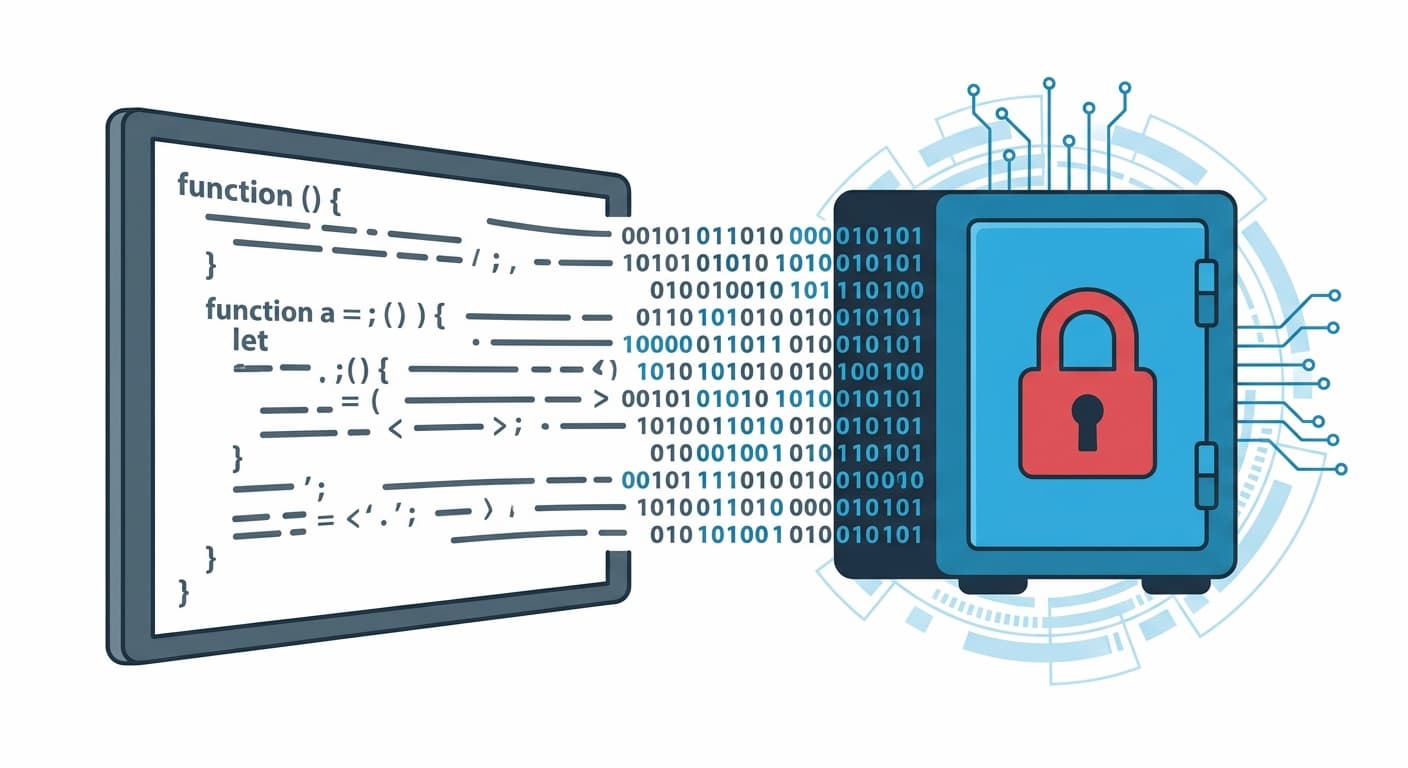
PC Guard wraps your compiled Delphi application in a secure software layer (Security Envelope), introducing advanced cryptography and anti-reverse engineering techniques:
Code Encryption
PC Guard completely encrypts your application code, import tables, and resource sectors, leaving crackers with randomized data.
Anti-Debugging
The protection layer actively detects system debuggers and monitoring tools, terminating the execution flow instantly if analysis is detected.
Machine Locking
Automatically handles license management by cryptographically binding your application to the end-user's unique hardware profile.
Secure Your Delphi Software Today
PC Guard provides fully automated, out-of-the-box copy protection and license management for all modern Delphi versions—including Delphi 11 Alexandria and Delphi 12 Athens. No source code changes required.